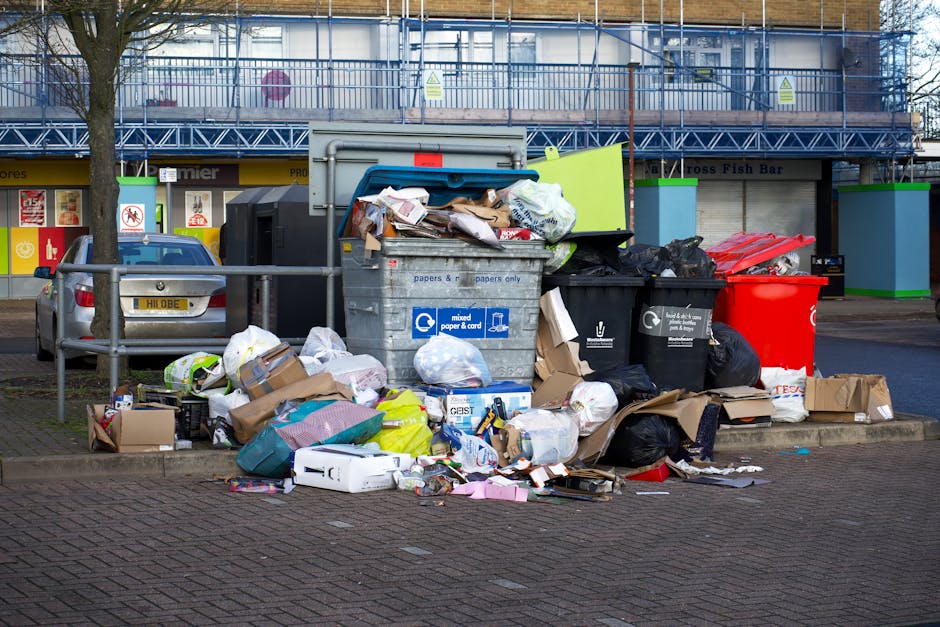
Mare Street Hackney rubbish collection tips for landlords
If you let property near Mare Street in Hackney, rubbish is one of those issues that can quietly become a big headache. A missed collection, a broken bin lid, or one tenant who leaves black bags in the wrong place can turn a tidy building into a recurring problem. And let's be honest, the smell notices first. Then the complaints. Then the stress.
This guide to Mare Street Hackney rubbish collection tips for landlords is written for people who want a practical, local, no-nonsense way to keep waste under control. Whether you manage a single flat, a converted house, or a small portfolio, you'll find step-by-step guidance on how collection routines work, what landlords are usually expected to manage, how to reduce fly-tipping risk, and how to avoid the small mistakes that create the biggest mess. We'll also cover best-practice ideas for tenant communication, storage, and compliance so you can keep things calm rather than constantly chasing problems.
To be fair, rubbish management is rarely glamorous. But it is one of the easiest ways to protect a property's appearance, reduce neighbour complaints, and make day-to-day letting run more smoothly.
Table of Contents
- Why rubbish collection matters for landlords on Mare Street
- How rubbish collection typically works in Hackney
- Key benefits and practical advantages
- Who this is for and when it makes sense
- Step-by-step guidance for better rubbish control
- Expert tips for better results
- Common mistakes to avoid
- Tools, resources and recommendations
- Law, compliance, standards and best practice
- Options, methods and comparison table
- Case study or real-world example
- Practical checklist
- Conclusion
- Frequently asked questions
Why rubbish collection matters for landlords on Mare Street
Mare Street is busy, lived-in, and constantly moving. Flats are often close together, pavements are narrow in places, and the pace of daily life means waste can build up quickly if systems are vague. For landlords, that matters for three reasons: presentation, neighbour relations, and property protection.
First, a building that looks well managed tends to stay well respected. Overflowing bins, loose cardboard, or black bags left where they should not be can make a property look neglected even when the interiors are fine. Second, rubbish issues often spill beyond the boundary of a single tenancy. One tenant's missed collection can become a complaint from the flat next door, or from a nearby business, or from someone walking past on a wet Monday morning. Third, waste attracts more waste. Once a spot becomes a dumping point, people often add to it. It is a bit unfair, but that is how these things go.
For landlords, rubbish collection is not just about emptying bins. It is about having a simple system that tenants can actually follow. If the system is confusing, rushed, or built on assumptions, you will probably spend time untangling avoidable problems later.
There is also a commercial angle. Properties that are cleanly managed tend to feel easier to rent and easier to keep occupied. A tidy bin store, good signage, and predictable collection routines may not sound dramatic, but they help shape the everyday experience of living there.
In practice, the best rubbish systems are the ones that people barely notice because they just work.
How rubbish collection typically works in Hackney
Rubbish collection in Hackney usually relies on a mix of scheduled council collections, proper bin storage, and tenant cooperation. For most landlords, the key question is not just "when is collection day?" but "how do I make sure the waste is ready in the right format, in the right place, every time?"
That is especially important around Mare Street, where a property may have limited front space, shared access, or mixed-use surroundings. A collection can be straightforward in a house with a front garden and separate bins, but a lot less straightforward in a converted building with shared hallways and no obvious storage area.
Typical collection arrangements involve:
- using the right bins or containers for the property
- separating general waste, recycling, and any bulky items appropriately
- presenting bins where they can be collected without obstruction
- bringing bins back in after collection, where that is part of the arrangement
- keeping communal areas clear so access remains safe
In real life, the weak point is usually not the collection itself. It is the handoff between tenants, property management, and the collection day routine. If tenants are unsure what goes where, they will improvise. If bin storage is awkward, bags get left in corners. If no one is responsible for bringing bins back in, they sit on the pavement and invite problems.
That is why the most effective Mare Street Hackney rubbish collection tips for landlords are less about "knowing the rules" and more about designing a system that suits the property and the people living in it.
Key benefits and practical advantages
A better rubbish routine gives you more than just tidy bins. It improves how the whole property runs.
- Fewer complaints: Neighbours are far less likely to report odours, missed collections, or mess.
- Better tenant behaviour: Clear instructions usually reduce guesswork and laziness, frankly.
- Cleaner communal areas: Shared halls, entrances, and external spaces stay more pleasant.
- Lower fly-tipping risk: A well-kept bin area looks monitored, not abandoned.
- Less management time: You spend less time chasing photos, texts, and "sorry, I thought someone else did it."
- Stronger property presentation: A building that feels controlled tends to feel more desirable.
One of the less obvious benefits is that rubbish management often reveals wider letting issues. If bins keep overflowing, it can point to too many occupants, poor communication, mismatched bin capacity, or a tenant group that needs clearer boundaries. In other words, rubbish can be a useful signal. Not a fun one, but a useful one.
When handled well, waste management also supports a calmer landlord-tenant relationship. People are more likely to trust a landlord who deals with practical details properly, especially on streets where shared living can feel a bit close-quarter and busy.
Who this is for and when it makes sense
This advice is useful if you are any of the following:
- a landlord with one or more residential lets near Mare Street
- a property manager overseeing flats or converted homes in Hackney
- a landlord with shared bins, communal waste space, or limited frontage
- someone dealing with repeated bin misuse, odours, or neighbour complaints
- a landlord preparing a property for new tenants and wanting to set clear expectations from day one
It also makes sense if you have just inherited a tenancy that already has rubbish issues. Sometimes you walk into a situation where the bins are a mystery, the previous agent never documented anything, and everyone seems to have a different version of what should happen. In that case, you need a reset, not a patch.
This is especially relevant for landlords who manage from a distance. If you are not on site regularly, even small waste issues can grow quietly. A bag left by the side gate one Tuesday can become a pattern by Friday. Then the smell spreads, and the building feels harder to manage than it really is.
It may also be worth tightening your waste process if the property has:
- multiple households sharing one bin set
- short-term or periodic tenants who need extra guidance
- commercial or mixed-use pressure nearby
- limited alley access or a narrow frontage
- a history of missed collection days or inconsistent bin placement
Step-by-step guidance for better rubbish control
If you want a practical starting point, use this sequence. It is simple, but it works surprisingly well when applied consistently.
1. Inspect the current setup
Start with what you actually have. Count the bins. Check their condition. See where they are stored. Look at how far tenants need to carry waste and whether access is awkward. A good system on paper can fall apart if the bin store is down a narrow passage that is always blocked by bikes, prams, or random packaging.
2. Identify the pain points
Ask what goes wrong most often. Is it missed collection presentation? Mixed recycling? Overflowing general waste? Bags left beside bins? If you do not identify the pattern, you will end up fixing the wrong thing. And that gets tiring very quickly.
3. Set one clear routine
Write down who does what, when bins go out, and when they come back in. If tenants are responsible, say so clearly. If an agent or caretaker handles it, make that explicit. A routine without ownership is just a wish.
4. Make instructions easy to follow
Use short written guidance in plain English. If possible, add a simple bin label or a visual reminder in the communal area. People are much more likely to follow something they can understand at a glance on a Tuesday morning when they are already late.
5. Keep the storage area tidy
A clean bin area encourages cleaner behaviour. If the space is dark, cluttered, or sticky, people tend to treat it badly. If it is swept, lit, and clearly organised, they usually do better. Not always. But usually.
6. Review after one or two collection cycles
Do not assume the first version will be perfect. Check what happened after the next collection day or two. Did bins get moved back? Were the right items in the right place? Were there bags left behind? Adjust early, while the issue is still manageable.
Practical summary: treat rubbish management like a small system, not a one-off reminder. Clear responsibility, simple instructions, and a tidy storage area will solve more problems than a long explanation ever will.
Expert tips for better results
Here is where experience helps. The best landlords do not wait until waste becomes a problem. They build in small safeguards.
- Use a single source of truth: Keep one document with collection days, bin locations, and responsibility details. If there are multiple managers, everyone should use the same version.
- Match instructions to the property: A large house of multiple occupation needs different waste guidance from a one-bedroom flat. Obvious, perhaps, but often overlooked.
- Think about the first 30 days of a tenancy: New tenants often need the clearest guidance at the start, before habits form.
- Check access on collection day: A locked gate, parked car, or building work can block collection and create a week-long problem from a five-minute mistake.
- Keep spare labels or notes handy: Things get damaged. Weather happens. Paper peels off. If your system relies on one note taped to a wall, it will eventually fail.
- Use photos where helpful: A photo of where bins should go is sometimes clearer than a paragraph of text.
There is also a human side to this. If tenants feel blamed every time something goes wrong, they stop engaging. A better approach is calm, specific, and repetitive without being annoying. Little and often. That tends to work.
Another useful move is to think seasonally. In summer, smells become more obvious. In winter, dark evenings make collections and bin returns more awkward. Around busy holiday periods, waste volumes can change too. You do not need a giant plan for all of this. Just a bit of awareness helps.
Common mistakes to avoid
Most rubbish problems around rental properties are not caused by one dramatic failure. They are caused by several small gaps that no one quite fixes. Here are the big ones.
- Leaving responsibility vague: If nobody owns the routine, it slips.
- Assuming tenants already know the process: Many do not, especially if they have moved from somewhere with different collection rules.
- Ignoring bin capacity: If the property regularly generates more waste than the bins can handle, you need to rethink the setup.
- Not dealing with bulky waste properly: Old furniture, broken appliances, and packaging need a separate plan. Left behind, they quickly become an eyesore.
- Failing to inspect the storage area: A hidden mess can still cause public-facing problems.
- Waiting until there is a complaint: By then, the issue has already spread beyond the property.
One mistake that comes up a lot is overcomplicating things. Landlords sometimes create a long policy with too many steps, too much jargon, and three different exceptions. Nobody reads it properly. Keep it simple enough that a busy person will actually use it.
Another one? Not following up after new tenants move in. The first few weeks are when habits are set. Miss that window and you may be dealing with the same bag-by-the-gate issue for the next six months. Annoying, yes. Common, also yes.
Tools, resources and recommendations
You do not need expensive systems to manage waste well, but a few practical tools make life easier.
- Clear bin labels: Useful for mixed households or shared properties.
- Printed collection notes: Keep them near the bin area and in the tenancy welcome pack.
- Photo reference sheet: Helps show exactly where bins should be placed.
- Basic cleaning tools: A mop, disinfectant, brush, and gloves can keep the bin area from drifting into unpleasant territory.
- Resident reminder messages: Short, polite reminders before collection day can prevent avoidable mistakes.
- Property management records: Keep a log of recurring issues so patterns are visible.
If you are also reviewing other maintenance routines, it can help to think of rubbish management as part of a wider property care system rather than a separate chore. For example, landlords who already use good scheduling for cleaning, inspections, and repairs often find waste control easier to maintain.
If you want broader property support, it can also be worth looking at related service information such as domestic cleaning support and end of tenancy cleaning where those services are relevant to your property setup. Clean interiors and sensible waste handling usually go hand in hand, even if they are managed separately.
Law, compliance, standards and best practice
When you are managing rubbish as a landlord, the safe approach is to think in terms of duty of care, tenancy terms, and local expectations rather than guessing. Waste handling can touch on nuisance, hygiene, access, and in some cases enforcement if bins are persistently mishandled or fly-tipped.
Without trying to overstate it, landlords should be careful about who is responsible for what. If your tenancy agreement says tenants must present bins on collection day, that should still be backed up by clear guidance. If the landlord or managing agent is responsible for communal waste areas, then that responsibility needs to be realistic and actually carried out. A rule nobody can follow is not much of a rule at all.
Best practice usually includes:
- clear tenancy wording about rubbish and bin use
- reasonable storage access for tenants
- regular checks on communal areas
- prompt action if waste is dumped or repeatedly misused
- careful handling of bulky or hazardous items, which should not be left to guesswork
If you are ever uncertain about local collection arrangements or obligations connected to a specific property, it is sensible to check directly with the relevant local authority or a qualified property professional rather than rely on hearsay. London arrangements can vary by street, building type, and collection setup.
For landlords, a careful approach is best. You are not trying to over-police tenants. You are trying to prevent nuisance, protect the property, and keep everything civil.
Options, methods and comparison table
Different properties need different rubbish systems. A single flat on Mare Street may need only a simple bin reminder, while a larger conversion may need a more structured arrangement. Here is a straightforward comparison.
| Method | Best for | Pros | Cons |
|---|---|---|---|
| Tenant-led bin routine | Small lets with clear access | Low cost, simple, little admin | Relies heavily on tenant discipline |
| Managed communal system | Flats and conversions | More consistent, easier to standardise | Needs regular oversight and clearer rules |
| Caretaker or cleaner support | Buildings with shared spaces | Good for consistency and presentation | Adds cost and requires coordination |
| Enhanced signage and reminders only | Low-risk properties with engaged tenants | Cheap and quick to set up | Not enough if the waste problem is already recurring |
| Full management log and inspection routine | Busy or higher-risk blocks | Best visibility and control | Takes more time, but often worth it |
The right option is usually the one that fits your building, not the fanciest one. A tidy system that people use will always beat a sophisticated one that nobody remembers. Simple really.
Case study or real-world example
Consider a typical converted property near Mare Street with three households sharing one small waste area. At first, the landlord assumes the tenants will "just sort it out." That works for a few weeks, then one collection is missed, a couple of black bags sit beside the bin, and by the next warm spell the area smells bad enough to be noticed from the pavement.
Instead of issuing a broad warning, the landlord changes the system. The bin days are written on a single sheet and placed in the entrance area. The storage space is cleared, so the bins can be moved without squeezing past clutter. Each tenancy is told who is responsible for taking bins out on the night before collection and who returns them. A quick check is done after the next collection day.
What changes? The bins stop drifting. The area feels controlled. Tenants stop assuming someone else will deal with it. And the landlord spends less time being dragged into a minor annoyance that was becoming a major one.
That is often how good management looks in real life: not dramatic, just steady. No heroics. No drama. Just fewer problems.
Practical checklist
Use this checklist if you want to tighten up your rubbish routine this week.
- Confirm the correct bin setup for the property
- Check that tenants know which waste goes where
- Write down collection day and presentation instructions
- Make sure bin storage is clean and easy to access
- Remove clutter that blocks bins or encourages dumping
- Review whether bins are large enough for the number of occupiers
- Decide who brings bins in after collection
- Add labels or photos if instructions keep being misunderstood
- Inspect the area after one or two collection cycles
- Keep a note of recurring problems so patterns are visible
If the answer to more than two of those points is "not sure," you probably have room to improve. That is normal. Most properties do.
Conclusion
Good rubbish collection management is one of those quiet landlord skills that makes everything else easier. It reduces complaints, keeps the property presentable, and helps tenants live comfortably without constant reminders. Around Mare Street, where properties can be busy, shared, and close to the street, a straightforward waste routine can save you a surprising amount of time and hassle.
The best approach is simple: make responsibility clear, keep instructions short, check the space regularly, and respond early when something starts to drift. Do that consistently and you will usually stay ahead of the mess instead of reacting to it.
Get a free quote today and see how much you can save.
And if you only take one thing from this guide, make it this: small systems done well beat big fixes done late. Every time.
Frequently Asked Questions
What are the most important Mare Street Hackney rubbish collection tips for landlords?
The most important tips are to make responsibility clear, keep the bin area tidy, give tenants simple instructions, and review the routine regularly. In practice, clarity prevents most repeat problems.
How can landlords stop tenants leaving rubbish outside the bins?
Start by checking whether the bins are full, the instructions are unclear, or the storage area is awkward. Add signage, reduce clutter, and set a firm expectation in the tenancy notes. If the pattern continues, it usually needs a direct reminder and a property check.
Should landlords manage rubbish themselves or leave it to tenants?
That depends on the property. In a small flat, tenant-led management may be enough. In shared buildings or conversions, landlords often need a more active role, especially where communal bins or access issues are involved.
How often should a landlord inspect a bin area?
There is no single rule, but regular checks are sensible, especially after move-ins, during warmer months, or when there has been a recent complaint. Even a brief visual check can spot issues before they spread.
What should I do if rubbish keeps being dumped next to the bins?
First, identify whether the bins are overused, blocked, or poorly signed. Then tighten the routine, remove clutter, and document the issue. If dumping is persistent, you may need a stronger management response.
Do landlords need special rules for bulky waste?
Bulky items should be handled separately and not left for normal collection unless the arrangement specifically allows it. It is best to give tenants a clear process for furniture, broken appliances, or large packaging so items do not linger.
How can I make rubbish instructions easier for tenants to follow?
Use short instructions, simple labels, and, where helpful, a photo of where bins should go. People are more likely to follow a visual reminder than a long paragraph no one reads properly.
What if my property does not have enough bin capacity?
If the property regularly overflows, the current setup may be too small for the number of occupants. You may need to review occupancy levels, improve waste sorting, or look at whether a different bin arrangement is possible.
Are there legal risks if rubbish is badly managed at a rental property?
There can be nuisance, hygiene, access, and tenancy issues if waste is not handled properly. The safest approach is to keep your tenancy terms clear, avoid unsafe storage, and deal with recurring problems promptly and reasonably.
How do I reduce odours from bins near Mare Street properties?
Regular collection, proper bin lids, clean storage areas, and good sorting all help. In warmer weather, odour control becomes more noticeable, so small cleaning habits matter more than people expect.
What is the best first step if I am taking over a problem property?
Do a full inspection of the bin setup, write down the current collection routine, and find the main failure point. Once you know whether the problem is storage, access, tenant behaviour, or capacity, you can fix it properly instead of guessing.
Can better rubbish management improve tenant satisfaction?
Yes, absolutely. Tenants often notice the little things first: a clean entrance, no lingering bags, and a system that feels orderly. It makes the property feel better run, which is never a bad thing.