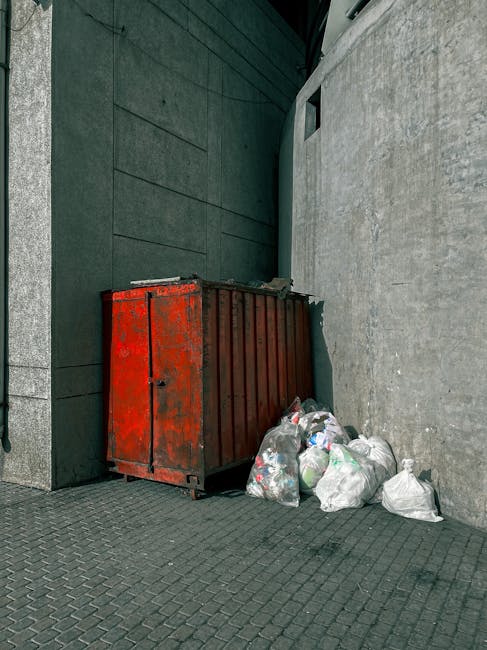
Rubbish removal guide for Stratford E15 homes
If you live in Stratford E15, rubbish can build up faster than you expect. One weekend it is a broken wardrobe, a bag of old clothes, a few DIY offcuts, and suddenly the spare room feels more like a storage unit. This Rubbish removal guide for Stratford E15 homes is here to make the whole job easier, calmer, and a lot more practical.
Whether you are clearing a flat near the station, tidying a terraced house after a refurb, or dealing with bulky items that will not fit in the lift, the right approach saves time and stress. It also helps you avoid common mistakes like mixing waste types, blocking access, or leaving collections until the last minute. Let's keep it simple and useful.
By the end, you will know what counts as rubbish removal, how the process usually works, what to prepare, and when it makes sense to choose a professional service such as rubbish removal, rubbish collection, or broader waste clearance support.
Table of Contents
- Why rubbish removal matters for Stratford E15 homes
- How rubbish removal works
- Key benefits and practical advantages
- Who this is for and when it makes sense
- Step-by-step guidance
- Expert tips for better results
- Common mistakes to avoid
- Tools, resources and recommendations
- Law, compliance, standards and best practice
- Options, methods and comparison table
- Case study or real-world example
- Practical checklist
- Conclusion
- Frequently asked questions
Why rubbish removal matters for Stratford E15 homes
Stratford is busy, compact, and constantly moving. Homes here often deal with tighter storage, shared entrances, stairwells, and limited parking. That changes the game a bit. A pile of rubbish that seems harmless in a back room can become a real problem once it blocks a hallway, attracts damp, or gets in the way of everyday life.
For many households, rubbish removal is not really about "getting rid of junk". It is about reclaiming usable space and stopping small messes becoming awkward jobs. A few old chairs in a bay window might not sound urgent, but if they are making cleaning harder or gathering dust, the longer they stay, the more annoying they become. Truth be told, clutter has a habit of multiplying when no one is looking.
In Stratford E15, this matters even more because home layouts vary so much. You get modern apartments with lifts, older houses with narrow stairs, and family homes where the garage becomes the unofficial dumping ground. Different properties create different waste challenges, and a one-size-fits-all approach rarely works well.
There is also the practical side. Good rubbish removal protects walkways, keeps neighbours happy, and helps you stay organised if you are moving, renovating, or doing a deep clear-out. If you are working through a full property, it may be worth looking at broader options like home clearance or, for larger properties, house clearance.
And yes, the local feel matters too. Stratford homes often need jobs done quickly and tidily, not dragged out over several days. Nobody wants rubbish sitting near the front door while life carries on around it.
How rubbish removal works
At its core, rubbish removal is the organised collection and disposal of unwanted household waste. That usually means sorting, lifting, loading, transporting, and disposing of items in a way that is safe and appropriate for the waste type. Simple enough on paper. In real life, there are a few moving parts.
Most jobs start with a quick description of what needs clearing. That could be a single bulky item, such as a sofa, or a mixed load including bagged rubbish, broken furniture, and a few bits from the garden. If you are clearing a flat, services such as flat clearance can be especially useful because access and stairwell handling become part of the job, not an afterthought.
A proper rubbish removal process usually includes the following:
- Identifying the type and amount of waste
- Checking access, parking, and collection points
- Separating reusable items, recyclables, and general rubbish where possible
- Loading items safely to avoid damage to walls, floors, or communal areas
- Transporting the waste to the correct disposal route
For many homes, a focused service is enough. For others, it blends into related jobs like furniture disposal, sofa removal, garage clearance, or even garden clearance if the mess has spread outside too. That overlap is normal.
One thing worth saying: household rubbish removal is not just about "taking things away". The real value is in making the job disappear from your to-do list without creating new mess, complaints, or trip hazards on the way out.
Key benefits and practical advantages
The biggest benefit is obvious: you get your space back. But the better benefits often show up in smaller ways. A clear hallway feels less stressful. A cleared spare room becomes useful again. The house just breathes a bit easier. You notice it when the light comes in properly and there is no awkward pile in the corner.
Here are the practical advantages homeowners in Stratford E15 usually care about most:
- Speed: One visit can clear what would otherwise take several car loads.
- Convenience: You do not need to wrestle bulky items downstairs yourself.
- Cleaner finish: A good clearance leaves the area usable, not half-done.
- Better safety: Less lifting, less clutter, fewer awkward objects in walkways.
- Less hassle with disposal: You do not need to work out where everything goes.
There is also the mental side. Clutter can quietly drain your energy. Sounds dramatic, but it is true. A half-cleared room can make a room feel unfinished for weeks. A complete removal gives you a clean reset, and that can be a relief after a busy month, a move, or a renovation.
If your waste is mostly from an improvement project, a specialist service like builders waste removal may be a better fit than a general rubbish load. The right match matters because construction debris, mixed rubble, and household waste are not always handled the same way.
Expert summary: For Stratford E15 homes, the best rubbish removal is the one that fits your access, waste type, and timing, not just the one that sounds cheapest at first glance.
Who this is for and when it makes sense
This guide is for anyone in Stratford E15 who has more waste than time, more bulky items than storage, or simply no appetite for multiple trips to the tip. That covers a lot of households, honestly.
You may need rubbish removal if you are:
- Moving out and need the property emptied quickly
- Renovating and dealing with offcuts, packaging, and old fittings
- Clearing out a loft, shed, garage, or spare room
- Replacing worn-out furniture
- Trying to make a rental property ready for viewings or handover
- Managing a family home after years of accumulated items
It also makes sense when rubbish has become awkward rather than just abundant. For example, maybe the items are too heavy for one person, too large for a small vehicle, or too messy to bag neatly. That is usually the point where people stop saying, "We'll sort it this weekend," and start wanting a real solution.
Homeowners in Stratford often decide to book a service after one of these moments:
- A sofa will not fit down the stairwell easily
- Three or four black bags have turned into fifteen
- The garage is full of old tools and broken bits no one remembers buying
- A garden project left a surprising amount of green waste and old planters
In those cases, a broader service such as waste removal or rubbish clearance can be a better starting point than trying to fit the job into a narrow category.
Step-by-step guidance
Here is the simplest way to handle rubbish removal in a Stratford E15 home without overcomplicating it.
1. Walk through the property properly
Start room by room. Do not just glance at the obvious pile and stop there. Open cupboards, check under stairs, look in the loft hatch if it is safe, and walk the garden edge too. Small bits add up. They always do.
2. Separate waste into useful groups
Try to group items by type: general rubbish, furniture, green waste, DIY offcuts, and anything reusable. You do not need perfect sorting, but a rough structure saves time later. It also helps you see whether you need specialised help, such as furniture disposal or garage clearance.
3. Measure awkward items
Bulky items need attention before collection day. Measure doorways, stair bends, lift sizes, and vehicle access if needed. A wardrobe that looks manageable in a bedroom can suddenly become a comedy sketch at the landing. Not ideal.
4. Clear a safe access route
Move shoes, baskets, toys, and loose bits out of the way. A clear route protects floors and makes the job smoother. If you live in a flat, this is especially important because shared corridors and stairwells need to stay tidy.
5. Decide what should be reused, donated, or removed
Some items still have life left in them. If something is usable, keep it aside rather than sending it out with the rest. That small decision can reduce waste and save you money. It is also just a nicer way to clear out a home.
6. Book the right type of removal
Match the service to the job. A single sofa may only need a simple pickup. A mixed home clear-out might need home clearance or house clearance. A kitchen rip-out will likely need another approach again.
7. Double-check the final sweep
Before anyone leaves, walk the route and the cleared space. Look for missed screws, loose packaging, or one of those weird little objects that appear from nowhere. You know the sort.
Expert tips for better results
A few small choices make the whole process smoother. Most are simple, but they make a real difference.
- Keep waste dry where possible. Wet waste is heavier, messier, and less pleasant to move.
- Label mixed loads early. Even a couple of words on a bag helps avoid confusion later.
- Book around access windows. If your street gets busy or parking is tight, timing matters more than people think.
- Do the heavy lifting prep first. Take drawers out, empty wardrobes, and disconnect items safely before collection day.
- Use the right removal type. A sofa, a shed full of tools, and a pile of renovation waste are not the same job.
One practical tip people often miss: if you are clearing an entire room, remove the smallest loose items before the larger ones. It sounds backwards, but it makes it easier to see what is left and what is actually worth keeping.
Also, be honest about access. If the lift is tiny, the road is narrow, or parking is difficult, say so upfront. That saves time and helps everything run more smoothly. Nobody likes surprises, least of all on a busy Stratford morning.
Common mistakes to avoid
The same mistakes come up again and again, and they usually cost people time, money, or both.
- Leaving everything until the last minute. Sorting is always slower under pressure.
- Mixing all waste together. It can make the job harder and may affect disposal options.
- Underestimating bulky items. That old sofa is never as light as it looks.
- Forgetting about access. Parking, stairs, lifts, and narrow doors matter.
- Not checking what should stay. This is how things vanish by mistake. Annoying, and avoidable.
- Choosing the wrong service. A general pickup may not be ideal for large-scale clearances.
A smaller but very real mistake is not protecting floors and walls. If you are moving items yourself before collection, lay something down or at least clear the route carefully. One scuffed wall in a freshly painted hallway can sour the whole mood.
And yes, a lot of people say, "We'll manage it ourselves." Sometimes you can. But if the job involves sharp edges, heavy lifting, or lots of stair work, it is usually smarter to get help than to end up sore for two days.
Tools, resources and recommendations
You do not need a mountain of equipment, but a few basics make home rubbish removal much easier.
- Heavy-duty bags: Better for mixed household waste and awkward bits.
- Gloves: Useful for splinters, dust, and rough cardboard edges.
- Marker pen and labels: Great for marking keep, donate, and remove piles.
- Tape measure: Handy for furniture and access checks.
- Dust sheets or cardboard: Good for protecting floors in hallways.
- Basic trolley or sack barrow: Useful for heavier items where access allows.
For service selection, think in terms of the job type, not just the item count. If you are clearing one large item, something like sofa removal may be enough. If you are clearing the inside and outside of a property, a mix of waste collection and garden clearance could be more sensible.
If you want a broader overview of what a company handles, the about us page can help you understand the approach and scope, while contact us is the usual next step if you need to ask about access, item types, or timing.
Law, compliance, standards and best practice
For household rubbish in the UK, the safe rule is simple: make sure waste is handled by a responsible route and never assume "anyone can take it". That is not how it works, and trying to shortcut disposal can create problems later.
A trustworthy rubbish removal approach should follow basic best practice:
- Waste should be collected and transported safely
- Items should go to an appropriate disposal route
- Hazardous or specialist waste should be identified rather than mixed in with normal household rubbish
- Communal areas, neighbours, and public access should be kept clear
If you are disposing of items that may contain sharp parts, electrical components, chemicals, or heavy contaminated materials, pause and check before placing them in a general load. That kind of waste deserves more care. Better to ask first than to guess.
Homeowners should also think about property responsibilities. In flats, you may need to respect building rules on access times, lift use, and corridor storage. In houses, you still need to be careful with pavement obstruction and tidy presentation around bins or collection points.
Best practice is not flashy. It is just steady, careful, and sensible. Clear the waste, protect the space, and make sure nothing gets left behind that should not be there.
Options, methods and comparison table
There are a few ways Stratford E15 residents typically deal with rubbish, and each suits a different kind of job.
| Method | Best for | Pros | Limitations |
|---|---|---|---|
| Self-clear with personal vehicle | Very small loads | Low direct cost, simple for a few bags | Time-consuming, lifting, parking, multiple trips |
| Book a general rubbish removal service | Mixed household waste and bulky items | Fast, convenient, less lifting for you | Needs clear access and accurate waste description |
| Specialist furniture or sofa collection | Single large pieces | Efficient for bulky items, less disruption | Not ideal for mixed loads |
| Full home or house clearance | Big moves, bereavement, major declutter | Comprehensive, organised, saves time | May be more than you need for a small job |
| Garden or builders waste removal | Outdoor waste or DIY debris | Better matched to waste type | Requires accurate sorting and sometimes separate handling |
The right choice depends on volume, access, and how quickly you want the space cleared. If you have a little of everything, general waste removal is often the neat middle ground. If the job is very specific, use a more targeted service.
Case study or real-world example
Here is a realistic Stratford E15 scenario. A family in a first-floor flat decides to clear a spare room before a new baby arrives. The room has an old chest of drawers, a broken chair, four large bags of mixed clutter, a rolled-up rug, and a few bits of packaging from furniture that was never assembled properly. A classic mix, really.
At first, they think they can manage it over several weekends. But once they start sorting, the stairwell becomes a bottleneck and the hallway fills up. They stop, regroup, and split the job into three parts: keep, donate, and remove. They measure the drawers and chair, clear the route, and arrange a collection that includes the bulky furniture and the bagged rubbish in one go.
What changed the outcome? Mostly planning. They did not overthink it. They just got the right service for the job, and they made access easy. The room was cleared in one sweep, the baby items could be stored properly, and the family did not spend the next week stepping around clutter. That kind of relief is hard to describe until you have felt it.
That is the real point of a good rubbish removal guide: not just to remove waste, but to make the process feel manageable.
Practical checklist
Use this checklist before your rubbish removal day.
- Walk through every room and note what is going
- Separate bulky items from bagged rubbish
- Check for anything that should stay in the property
- Measure large furniture and tight access points
- Clear stairs, hallways, and doorways
- Protect floors if items are being moved inside
- Group outdoor waste separately if needed
- Decide whether you need a general or specialist service
- Confirm timing and access details
- Do a final sweep once the job is done
If your clear-out includes a shed, loft, or garden edge, add a quick check for damp boxes, sharp garden tools, or hidden debris. Those little corners have a way of hiding more than you remember.
Conclusion
Rubbish removal in Stratford E15 does not need to be complicated. The best results usually come from a simple process: sort carefully, plan access, choose the right type of removal, and avoid rushing the last mile. That is what keeps the job tidy and the stress low.
Whether you are clearing one large item or a full home, the key is to match the service to the real problem in front of you. That might mean a focused furniture pickup, a flat clearance, a garden clearance, or a broader waste removal solution. Once you know the shape of the job, the rest becomes far easier.
If your home is starting to feel crowded, take that as a sign to act sooner rather than later. A clearer space changes how a home feels, and sometimes that small reset is exactly what you need.
Get a free quote today and see how much you can save.
Frequently Asked Questions
What is the easiest way to arrange rubbish removal for a Stratford E15 home?
The easiest approach is to list the items you want removed, check access points like stairs or parking, and choose a service that matches the load. Mixed household waste is usually best handled by a general rubbish removal or waste clearance service.
Can I mix furniture, bags of rubbish, and garden waste in one collection?
Sometimes yes, but it depends on the service and the waste type. It is usually better to describe everything clearly upfront so the collection can be planned properly. Mixed loads are common, but not every item belongs in the same pile.
How do I know whether I need a full house clearance or just rubbish removal?
If you are clearing a few items or a single room, rubbish removal is often enough. If you are emptying most of a property, a more complete service such as house clearance or home clearance is usually the better fit.
Is rubbish removal suitable for flats in Stratford E15?
Yes, absolutely. Flats often need a bit more planning because of lifts, stairwells, and shared access, but that is normal. Clear access details beforehand and the job tends to run much more smoothly.
What items are usually the hardest to remove from a home?
Large wardrobes, sofas, mattresses, broken appliances, and heavy garden waste are often the trickiest. They are awkward to move and can cause damage if handled badly, so measuring access in advance really helps.
Do I need to sort everything before the collection day?
You do not need perfect sorting, but rough grouping helps a lot. Separate bulky items from loose rubbish and keep anything you want to retain in a safe place. A little preparation saves a surprising amount of time.
How far in advance should I book rubbish removal?
If the job is urgent, book as soon as possible. For a larger clear-out or access-sensitive job, a little notice is wise. Stratford streets can be busy, so timing and parking can matter more than people expect.
What should I do with a sofa I no longer want?
A sofa is best handled as a bulky item through a specific sofa removal service or part of a wider furniture disposal job. It is one of those things that looks manageable until you reach the stairs, then reality sets in.
Can rubbish removal help after a DIY or decorating project?
Yes. If your waste includes offcuts, packaging, broken fittings, or other renovation leftovers, builders waste removal or a mixed waste collection may be the most appropriate route.
What if I only have a small amount of rubbish?
Even small loads can be worth collecting if they are bulky, awkward, or difficult for you to move. A few heavy bags, a chair, or a broken cabinet can be more hassle than they first appear.
Are there rules I should be aware of before putting waste out?
Yes. You should avoid blocking shared areas, keep items safe and tidy, and make sure anything unusual or potentially hazardous is identified properly. When in doubt, ask before mixing it with normal household rubbish.
What is the best first step if my home feels overloaded?
Start with one room and one category of item. Do not try to solve the whole house in one evening. A small, steady start is usually the easiest way to get momentum, and momentum is half the battle.