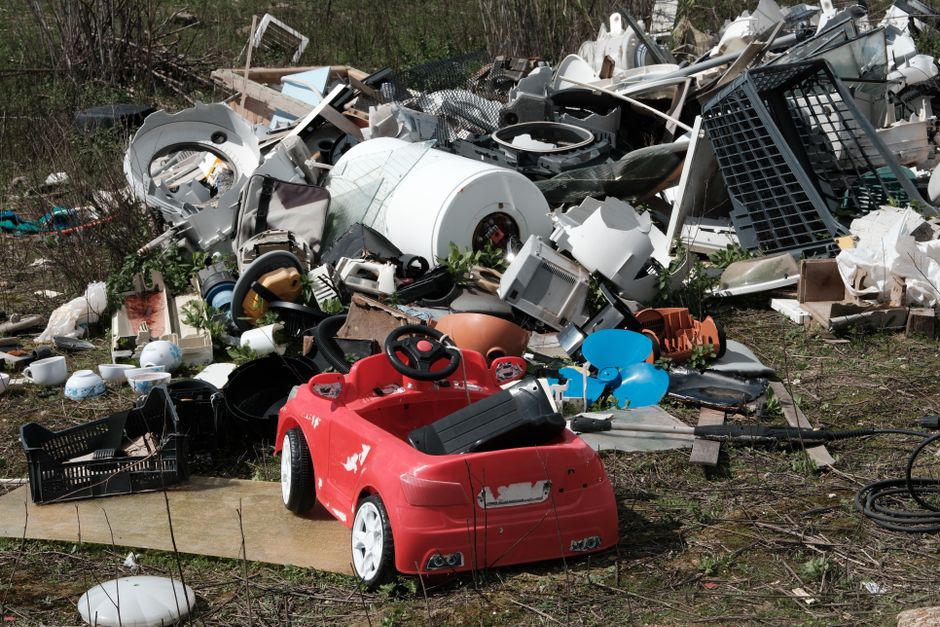
Walthamstow park furniture removal and rubbish clearance: a practical local guide
If you're dealing with bulky benches, broken seating, old tables, or piles of mixed waste around a park-facing property or communal green space, Walthamstow park furniture removal and rubbish clearance can feel oddly messy before you've even started. There's the physical side, of course, but there's also timing, access, sorting, lifting, and the simple question of where everything should go next. This guide breaks it down in plain English so you can make a sensible decision, avoid common mistakes, and clear the space without turning a straightforward job into a weekend headache.
Whether you're a homeowner near a green space, a landlord, a facilities manager, or someone just trying to get a bulky item out the door, the basics are similar: plan the removal, keep the site safe, separate reusable items from waste, and choose a disposal route that makes sense. Let's face it, nobody wants half a garden chair sticking out of a hallway for three days.
Why Walthamstow park furniture removal and rubbish clearance Matters
Park-side and outdoor furniture doesn't fail gracefully. It warps, rusts, splits, fills with rainwater, and then suddenly becomes awkward to move. In Walthamstow, where a lot of homes, flats, and shared spaces sit close to busy roads and well-used green areas, a single broken bench or a stack of worn-out patio chairs can quickly become clutter that blocks access or creates a safety issue.
Clearance matters for a few practical reasons. First, there's safety: damaged furniture can have sharp edges, loose screws, or splintered timber. Second, there's cleanliness: old furniture often sits alongside mixed rubbish, packaging, garden waste, or builders waste, and once that starts blending together it becomes harder to sort and harder to move. Third, there's appearance and usability. A tidy outdoor space is simply easier to use, and if you're managing a property or business, it makes a better impression too.
There's also the cost of delay. The longer bulky items sit outside, the more likely they are to absorb moisture, attract pests, or become damaged beyond reuse. A faded wooden table might have been recyclable or even reusable last week. After a few wet days, not so much.
For some jobs, it makes sense to combine furniture removal with a broader rubbish clearance or waste removal visit. That keeps the process efficient and avoids multiple trips for separate items. If you're clearing a shed, garage, or a full household's outdoor area, you may also want to look at furniture disposal as part of the bigger picture.
Expert summary: the best clearance jobs are the ones that feel calm, not rushed. Sort first, lift safely, and use the right disposal route for each item. That simple approach prevents a lot of avoidable hassle.
How Walthamstow park furniture removal and rubbish clearance Works
Most clearance jobs follow the same pattern, even when the items are a bit awkward. The work begins with identifying what needs to go. That sounds obvious, but it's where many people go wrong. A "quick clear-out" often turns into a mix of broken furniture, plant pots, old cushions, empty boxes, and waste that was sitting behind a bench or stacked in a corner.
The next step is assessment. A good clearance process considers item size, weight, access, and whether anything can be reused or recycled. A heavy cast-iron table needs different handling from a lightweight plastic chair. Waterlogged items may be heavier than they look, which always catches people out. Always. One minute it looks manageable, the next it feels like lifting a small car door.
Then comes safe removal. Items should be carried out carefully to avoid scratching floors, damaging walls, or injuring anyone nearby. If the clearance is from a park-facing property or communal space, it may also mean working around pedestrians, parked cars, gates, or tight access. In some cases, dismantling is the sensible choice, especially for larger benches, shelving, or outdoor seating sets.
Once collected, the materials are separated for the correct route. Reusable furniture may be set aside if it's in decent condition. Mixed rubbish goes into the right stream for sorting and disposal. Depending on the contents, that may overlap with services such as rubbish collection or waste collection. The goal is to leave the space clean, safe, and ready to use again.
If you're dealing with property clearance beyond the outdoor area, related services like home clearance or house clearance can be a better fit than trying to tackle each category separately.
Key Benefits and Practical Advantages
The obvious benefit is that clutter disappears. But the real value is a bit deeper than that. A properly handled clearance saves time, reduces risk, and helps you avoid the classic "we'll just put it by the side for now" trap that somehow becomes a month-long project.
- Safer access: no loose slats, rusty brackets, or bulky items blocking paths.
- Better use of space: the area becomes usable again for seating, storage, planting, or general access.
- Cleaner presentation: important for homes, landlords, and commercial settings.
- Less stress: the heavy lifting and disposal decision are handled in one go.
- More responsible disposal: items can be sorted for reuse, recycling, or disposal as appropriate.
There's a practical advantage too: a combined clearance often costs less in time and disruption than handling multiple small removals. If you're already clearing outdoor waste, it may make sense to include related items such as an old sofa, worn chairs, or broken storage. In that situation, a specialist sofa removal service or a broader waste clearance approach can help keep the job efficient.
And honestly, there's a bit of relief that comes from seeing a space emptied properly. You notice the light again. The floor feels bigger. The corner you kept avoiding is no longer awkward. Small thing, but it matters.
Who This Is For and When It Makes Sense
This kind of clearance is useful for a wide range of people, not just homeowners with a tired garden set. In Walthamstow, the common scenarios tend to be practical and very ordinary: a landlord preparing a flat for new tenants, a family clearing a yard after a long winter, a cafe replacing old seating, or a property manager dealing with damaged communal furniture.
It makes sense when the items are too large for standard bin collection, too awkward for a normal car, or too mixed up to justify doing it yourself. It also makes sense when the site has tight access or shared entrances, because dragging bulky waste through hallways or stairwells can be more trouble than it's worth.
Typical situations include:
- broken outdoor tables, benches, or chairs
- garden furniture mixed with general rubbish
- leftover items after a flat or house clearance
- garage or shed contents that include furniture and waste
- commercial outdoor seating that needs replacing
- storm-damaged or waterlogged furniture that is no longer usable
If the job has spread beyond the outdoor area, you might also be looking at flat clearance, garage clearance, or even office clearance depending on the property type. That's where a broader assessment saves a lot of backtracking.
Step-by-Step Guidance
If you want the process to go smoothly, treat it like a proper job from the start. Nothing dramatic, just a bit of order. Here's the approach that usually works best.
- Walk the site first. Identify every item to be removed. Check for hidden waste behind furniture, under tarps, or tucked beside planters.
- Separate the categories. Keep reusable furniture apart from damaged items and general rubbish. It helps with disposal decisions later.
- Measure access points. Gates, stairwells, lifts, narrow paths, and low overhangs can all affect the removal plan.
- Check for hazards. Broken glass, rust, protruding nails, wet surfaces, and unstable stacks need to be handled carefully.
- Dismantle if needed. Larger items may be safer to break down into smaller sections before carrying them out.
- Load in the right order. Heavier items should go in first, with fragile or awkward items secured properly.
- Leave the area clean. A proper clearance doesn't stop when the furniture is gone. Sweep, check corners, and remove small leftovers.
For many readers, the trickiest part is not the carrying, it's the sorting. A bench with usable metal legs, rotten timber, and a cushion full of damp foam is basically three disposal decisions in one. Bit annoying, yes, but manageable if you split it logically.
If the removal is part of a wider domestic project, combining it with rubbish removal or even waste disposal planning makes the whole thing easier to control.
Expert Tips for Better Results
In our experience, the smoothest clearances are usually the ones where someone spent ten minutes planning before lifting anything. That small pause saves a lot of sweating later. A few practical tips make a real difference.
- Photograph the load first: it helps confirm what's included and spot awkward items.
- Use gloves with grip: timber splinters and metal edges are not worth gambling with.
- Check for trapped water: outdoor furniture can hold a surprising amount, especially after rain.
- Don't stack too high: unstable piles are one of the most common causes of damage and trips.
- Keep a clean route out: move bins, planters, bikes, and loose items out of the way before starting.
- Think reuse before disposal: if an item is still usable, passing it on may be better than treating it as waste.
One useful habit is to group items by material: wood, metal, plastic, mixed waste, soft furnishings. That makes the next step easier, whether the furniture is being reused, recycled, or taken away as mixed rubbish. You do not need to overcomplicate it. Just be consistent.
For jobs that include damaged outdoor seating, a specialist furniture disposal approach is often better than trying to force everything into one bin or one trip. And if you're replacing a worn lounge setup at the same time, a simple sofa removal plan can keep the home side of the job tidy too.
Common Mistakes to Avoid
A lot of clearance problems are self-made, to be fair. Not because people are careless, but because they underestimate how messy bulky waste can become once it starts moving.
- Leaving sorting until the last minute: this slows everything down and increases mistakes.
- Mixing hazardous bits with regular rubbish: broken glass, sharp metal, and damp timber should be handled carefully.
- Forcing oversized items through tight access: that's how walls get marked and backs get strained.
- Assuming everything can be dumped together: some items need separate handling or better material separation.
- Ignoring weather: wet weather makes outdoor furniture heavier and more slippery.
- Overfilling a vehicle or skip area: unsafe loading is a problem waiting to happen.
Another common mistake is forgetting that "rubbish" and "furniture" are not always the same thing. A job may need rubbish clearance for the mixed waste and furniture disposal for the bulky pieces. Separating those needs usually makes the whole thing quicker and cleaner.
Tools, Resources and Recommendations
You don't need a garage full of specialist equipment, but the right basics make the job safer and less stressful. If you're doing a smaller clear-out yourself, useful tools usually include heavy-duty gloves, a sack truck or trolley, tie-down straps, dust sheets, a broom, and strong refuse sacks. A basic screwdriver or drill can be handy for dismantling tables or benches.
For a more organised job, keep a simple plan list. It can be as plain as:
- items to remove
- items to keep
- items to donate or reuse
- items for recycling
- items that must be disposed of as waste
If you're working across a wider property or business premises, related services such as builders waste, garden clearance, or garage clearance may be relevant too. That's especially true when the furniture removal is just one part of a bigger clear-out after repairs, refurbishment, or a move.
For readers comparing options, it may help to look at the company background on the about us page and service coverage in East London. If you're planning a wider project, there are also area pages such as Walthamstow and nearby neighbourhoods, which can help you judge local coverage and suitability.
Law, Compliance, Standards, or Best Practice
When you clear furniture and rubbish in the UK, the safest approach is to treat duty of care seriously. In plain terms, you should make sure waste is handled by a suitable route, and you should be cautious about who removes it and where it goes. If you're using a clearance service, it's sensible to ask how materials are handled and whether they separate reusable items from waste.
For outdoor furniture, extra care is wise if items are broken, sharp, wet, mouldy, or contaminated. Some items can be reused or recycled only if they are in reasonable condition. Others are simply not worth salvaging. There's no prize for overthinking a rotten chair.
Best practice is straightforward:
- keep clear records of what was removed if you're a landlord, business, or managing agent
- do not leave waste where it may create a hazard or block access
- segregate items where practical so they can be assessed properly
- use an appropriately insured and experienced clearance provider for heavier or awkward jobs
- be careful with mixed waste from building work, since that often needs separate handling
If you're unsure whether something belongs in general rubbish or requires a different route, it's better to pause and sort it properly than to rush. That's especially true if the job includes both domestic waste and leftover project materials, where services like waste clearance or waste collection can help keep things organised.
Options, Methods, or Comparison Table
There are a few ways to deal with park furniture and rubbish, and the right one depends on scale, access, and how mixed the items are. Here's a simple comparison to help you think it through.
| Method | Best for | Pros | Trade-offs |
|---|---|---|---|
| DIY removal | Small, light loads with easy access | Cheap, flexible, immediate | Time-consuming, physically demanding, higher risk of injury or damage |
| Ad hoc disposal trips | Few bulky items spread over time | Works if you have transport and patience | Multiple trips, awkward loading, easy to delay |
| Professional clearance | Mixed waste, heavy furniture, tight access, time-sensitive jobs | Efficient, safer, usually tidier | Costs more than doing it yourself |
| Split approach | Furniture plus general rubbish or garden waste | Practical and flexible | Requires clear sorting before collection |
For many people, the split approach is the sweet spot. For example, a broken outdoor table and two chairs might be handled alongside a bagged rubbish pile, while a separate section of the job goes to garden clearance or home clearance. It keeps each part of the job in its lane, which sounds small but matters a lot in practice.
Case Study or Real-World Example
Here's a realistic example from the kind of job people often face in Walthamstow. A small terraced property near a park had an old wooden bench, a broken folding table, two cracked plastic chairs, and a pile of damp rubbish that had been left after a weekend garden tidy-up. Nothing dramatic, but the space looked cluttered and awkward.
The first step was a quick walk-through. One chair was still usable, so it was set aside. The bench, however, had split boards and rusty fixings. Not worth repairing. The table had to be dismantled because it wouldn't pass through the side gate in one piece. The rubbish pile turned out to include packaging, a few garden trimmings, and an old cushion that had absorbed water and smelled faintly mouldy. Not pleasant. Very normal, though.
Once sorted, the items were removed in stages. Heavy pieces came out first, then the mixed rubbish, and finally a quick sweep of the corner where the pile had been sitting. The result was a space that could be used again straight away. No lingering mess, no extra trips, no "we'll deal with that later" nonsense.
That kind of outcome is exactly why people often combine rubbish removal with furniture work. It keeps the tidy-up complete, not half-done.
Practical Checklist
Use this before you start. It keeps things simple.
- Identify every item that needs to go.
- Separate furniture from mixed rubbish.
- Check for sharp edges, loose fittings, or water damage.
- Measure access routes, gates, stairs, and doorways.
- Dismantle large items where needed.
- Prepare gloves, sacks, straps, and basic tools.
- Keep a clear path for carrying items out.
- Decide what can be reused or donated.
- Confirm the disposal route for each material type.
- Sweep and inspect the area after removal.
If your job extends beyond one corner of the property, consider whether related services like waste removal or rubbish collection would make the whole process easier to manage.
Get a free quote today and see how much you can save.
Conclusion
Walthamstow park furniture removal and rubbish clearance is really about restoring order. Not just getting rid of old things, but doing it safely, sensibly, and without turning a simple task into a drawn-out chore. The best results come from a clear plan, a realistic view of what needs moving, and a disposal route that fits the job rather than forcing the job to fit the route.
If you sort the items properly, protect access points, and choose the right clearance method, the whole process becomes much easier. And once the clutter is gone, the space feels different straight away. Lighter, calmer, more usable. That part never gets old.
Small spaces can feel bigger again when the heavy stuff is finally out. That's a good feeling, and honestly, it's worth the effort.
Frequently Asked Questions
What does Walthamstow park furniture removal and rubbish clearance usually include?
It usually includes the removal of bulky outdoor items such as benches, tables, chairs, and mixed rubbish around a property, communal area, or park-facing space. Depending on the job, it may also cover related waste such as packaging, broken planters, cushions, or general clutter.
Can broken garden furniture be taken away with general rubbish?
Sometimes yes, but it depends on the material mix and the condition of the item. A wooden chair with metal fixings and soft furnishing may need to be handled as mixed waste rather than simple rubbish. Sorting it first usually makes disposal cleaner and easier.
Is furniture removal different from rubbish clearance?
Yes, although they often overlap. Furniture removal focuses on bulky items like sofas, tables, and chairs. Rubbish clearance is broader and may include mixed household waste, garden waste, packaging, or leftover debris. Many jobs need both.
What should I do before a clearance team arrives?
Clear the access route, separate items you want to keep, and point out anything fragile or hazardous. If possible, group furniture together and bag loose rubbish. A bit of preparation goes a long way, especially in tighter Walthamstow properties.
How do I know if my items can be reused instead of disposed of?
If the item is structurally sound, dry, and safe to use, it may be suitable for reuse. If it is rotten, rusted through, warped, mouldy, or damaged beyond repair, disposal is usually the better choice. When in doubt, it is safer to treat it as waste.
Do I need special handling for wet or mouldy furniture?
Often yes. Wet furniture can be heavier, slippery, and unpleasant to carry, while mouldy items may need extra care to avoid spreading debris. Gloves, covering, and careful loading matter more than people expect.
Is it worth booking a full clearance instead of moving items myself?
If the items are bulky, heavy, awkward, or mixed with other waste, yes, it often is. DIY removal can work for a few light pieces, but a full clearance saves time and avoids repeated lifting, trips, and disposal uncertainty.
Can a clearance job include a sofa as well as outdoor furniture?
Yes. It is common for outdoor furniture, sofas, and mixed household items to be removed in the same visit if the access and load allow it. That is one reason combined services are often more efficient.
What if the furniture is in a garage, shed, or flat rather than outside?
Then the job may be better described as garage clearance, flat clearance, or home clearance depending on the setting. The same principles apply, but access, sorting, and loading may be a little different.
How can I keep the clearance safe in a narrow hallway or shared entrance?
Use a clear route, move obstacles out of the way, and dismantle large pieces where needed. Protect corners and floors if possible. In shared buildings, it helps to work quickly and keep noise and disruption down.
What happens if the rubbish is mixed with builders waste?
Builders waste usually needs separate consideration because rubble, plasterboard, timber offcuts, and packaging may not all be handled the same way. If a clearance includes renovation leftovers, it may be better to plan it as a mixed job with builders waste included.
How do I choose the right service for my situation?
Start with the main problem. If it is mainly bulky furniture, look at furniture disposal or sofa removal. If there is a wider pile of clutter, rubbish clearance or waste clearance may fit better. For whole-room or whole-property jobs, home clearance or house clearance can be more practical.
Is there a best time to arrange clearance work?
Earlier in the day is often easier for access and light, especially when lifting large items or working outdoors. Dry weather helps too, because wet furniture becomes heavier and more awkward. That said, a good plan matters more than perfect weather.
Where can I find more information about the company and local service areas?
You can read more on the about us page and review local coverage across East London, including Walthamstow and nearby areas. If you are comparing broader services, the pages for waste removal and furniture disposal are also useful starting points.